
Hunting Equipment Guide

Essential Hunting Equipment
While hunting styles vary depending on the game species and terrain, most hunters rely on several core categories of equipment. These tools help with scouting, concealment, attracting animals, and processing harvested game.

Key hunting gear categories include:
• Trail Cameras
• Hunting Blinds
• Game Calls
• Hunting Decoys
• Scent Control Products
• Wildlife Feeders
• Game Processing Equipment
Each category plays an important role in preparing for a successful hunt.
Trail Cameras for Scouting Game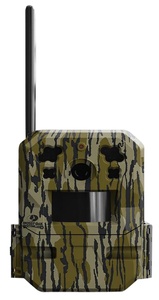
Trail cameras are one of the most valuable tools for modern hunters. These cameras allow hunters to monitor wildlife movement patterns without disturbing the area.
Hunters commonly use trail cameras to:
• Track deer movement and travel routes
• Identify active feeding areas
• Monitor wildlife populations
• Determine the best stand or blind locations
Many modern trail cameras offer high-resolution photos, night vision capabilities, and even cellular connectivity that allows hunters to view images remotely.
Using trail cameras during preseason scouting can dramatically improve hunting success.
Hunting Blinds for Concealment
Concealment is one of the most important aspects of hunting. Hunting blinds allow hunters to remain hidden from game animals while maintaining a clear view of the surrounding area.
Common types of hunting blinds include:
Ground blinds
Pop-up blinds
Permanent blinds
Natural brush blinds
Blinds are commonly used for deer hunting, turkey hunting, and waterfowl hunting. They help reduce movement visibility and protect hunters from wind and weather during long sits.
Game Calls and Calling Techniques
Game calls are designed to imitate the sounds made by animals in the wild. Hunters use calls to attract animals into range by mimicking communication signals such as mating calls, distress calls, or territorial calls.
Popular types of hunting calls include:
• Deer grunt calls
• Turkey box calls and diaphragm calls
• Duck and waterfowl calls
• Predator distress calls
Learning how and when to use game calls can greatly improve hunting success, especially during mating seasons when animals are more responsive to sound.
Hunting Decoys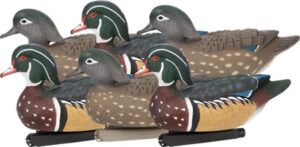
Decoys are visual attractants used to create realistic hunting scenarios. When used correctly, decoys can help draw animals into shooting range by making them feel comfortable or curious.
Decoys are commonly used for:
Waterfowl hunting
Turkey hunting
Predator hunting
Realistic decoys combined with proper placement and calling techniques can significantly increase the effectiveness of a hunting setup.
Scent Control and Attractants
Animals such as deer have extremely sensitive senses of smell. Scent control products help hunters reduce or eliminate human odor while in the field.
Common scent control products include:
• Cover scents
• Scent elimination sprays
• Attractant scents
• Scent wafers and scent dispensers
Using scent control products can help prevent animals from detecting a hunter’s presence and improve overall concealment.
Wildlife Feeders and Game Management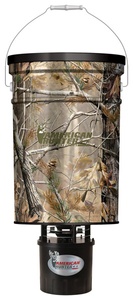
Wildlife feeders are often used to support wildlife management and monitoring. Hunters and land managers use feeders to establish consistent feeding areas and observe animal activity.
Feeders are commonly used for:
Deer management
Wildlife observation
Preseason scouting
Population monitoring
Proper feeder placement can help hunters identify active feeding patterns and determine where animals are most likely to travel.
Game Processing Equipment
After a successful hunt, proper field dressing and meat processing are essential. Game processing tools help hunters handle harvested animals efficiently while preserving meat quality.
Essential processing tools include:
• Field dressing knives
• Bone saws
• Meat grinders
• Cleaning tools
Quality processing equipment helps ensure harvested game is handled safely and prepared properly for storage and cooking.
Hunting Gear for Beginners
New hunters often feel overwhelmed by the wide variety of equipment available. The best approach is to start with the essential tools needed for safety, scouting, and basic hunting setups.
Beginner hunters typically start with:
• Reliable optics or trail cameras
• Basic scent control products
• A comfortable hunting blind or stand
• Game calls appropriate for the target species
• Field dressing tools
As hunters gain experience, they often expand their gear collection based on the type of game they pursue and the environments they hunt.
Preparing for a Successful Hunting Season
Preparation is one of the most important factors in successful hunting. Scouting land, studying animal behavior, and selecting dependable equipment all play a role in improving your chances in the field.
Using reliable hunting gear allows hunters to stay concealed, monitor wildlife activity, and respond effectively when opportunities arise.
Whether you are preparing for deer season, waterfowl migration, or predator hunting, having the right equipment can make a significant difference in your hunting experience.
Hunting Equipment Frequently Asked Questions
What hunting equipment do beginners need?
Beginner hunters should focus on essential gear such as trail cameras, scent control products, basic hunting blinds, and field dressing tools. These items help hunters scout wildlife, remain concealed, and safely process harvested game.
Are trail cameras necessary for hunting?
Trail cameras are not required, but they are extremely helpful for scouting wildlife activity. They allow hunters to monitor animal movement patterns and determine the best locations for stands or blinds.
Do hunting decoys really work?
Yes. Decoys can improve hunting success by creating realistic scenarios that attract animals into shooting range. They are especially effective for waterfowl and turkey hunting.
Why is scent control important when hunting?
Many animals rely heavily on their sense of smell to detect danger. Scent control products help hunters reduce human odor and avoid alerting nearby animals.